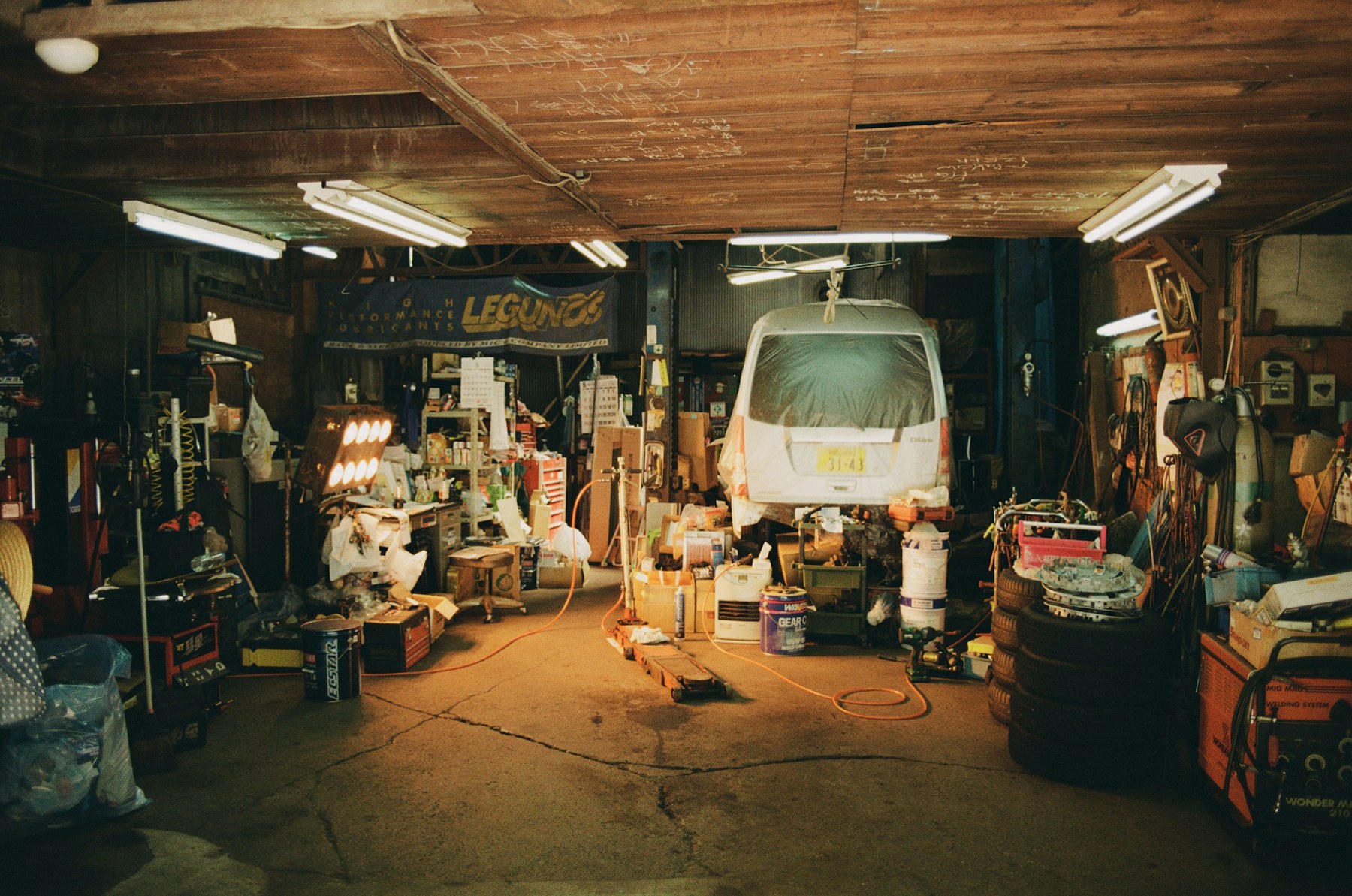
A meaningful estate-cleanout estimate depends on the actual property, the work areas involved, the material present, access, disposal requirements, decision complexity and the condition the property needs to reach. Photographs can help with an initial review, but larger or uncertain properties may need an on-site Property Assessment before a reliable scope can be established.
At a glance
Key Takeaways
| Contents volume | More material affects labor, hauling and disposal. |
|---|---|
| Buildings involved | Garages, sheds and other structures can materially expand the scope. |
| Exterior conditions | Scrap, appliances, tires and other outdoor material may create additional workstreams. |
| Access | Stairs, long carries, rural drives and equipment access can affect the plan. |
| Material type | Heavy, regulated or specialty items may require different handling or providers. |
| Finished condition | Emptying a residence and preparing an entire property for sale or its next use are different scopes. |
Why Estate Cleanout Prices Vary So Much
Two properties that look similar from the road can demand very different plans. One may contain an orderly residence with clear decisions and easy access. Another may include packed rooms, a basement, a full garage, several sheds and material stored outdoors. The second property is not simply “more stuff.” It has more work areas, more decisions, more handling conditions and potentially more disposal paths.
Timing and authorization also matter. A project with one authorized contact and clear decisions can be sequenced differently from a property where several people must review belongings. The estimate becomes useful only when the scope identifies what is included, what remains, what requires separate coordination and what finished condition the work is intended to create.
Seven Factors That Affect Estate Cleanout Cost
For the broader framework beyond estate-specific decisions, review what determines property cleanout cost in Wisconsin.
Volume of contents
Contents affect more than the number of loads. They shape sorting time, labor, carrying, staging, hauling and the number of disposal streams. Material spread across many rooms or stored densely can take longer to control than the same apparent volume gathered in one accessible area.
Residence size and number of work areas
A residence may include bedrooms, a basement, attic areas, closets, porches and attached storage. The useful measure is not simply square footage; it is how many distinct work areas must be reviewed, cleared and brought to the agreed condition.
Garages, sheds and outbuildings
Detached structures can materially expand an estate cleanout. Garages, workshops, sheds and barns often contain heavier material, tools, scrap, tires, appliances or items that require a different sequence from household contents.
Exterior property conditions
Outdoor accumulation can become its own workstream. Material may be dispersed around buildings, concealed by vegetation, stored on acreage or positioned where normal carrying and loading are impractical.
Heavy and specialty items
Appliances, tires, scrap, boats, trailers and other heavy or specialty items can require separate planning. Vehicles may require coordination with an appropriate provider. Whether a particular item can be included is determined during scope development; Peterson’s does not automatically accept every material.
Access, hauling and disposal logistics
Stairs, long carries, narrow drives, soft ground, limited truck positioning and distance to appropriate disposal options can change the labor and equipment plan. Multiple disposal streams can also mean more sorting and coordination.
The condition the property needs to reach
This is the most important distinction. A customer is not simply purchasing removal volume. Emptying selected rooms, clearing a residence, and preparing a whole property for sale, inspection, renovation or its next use are different scopes. A professional estimate should define the condition being created, the areas included and the known exclusions.
Why Northwest Wisconsin Estate Cleanouts Can Be Different
Northwest Wisconsin includes rural and seasonal properties where the work may extend beyond the residence. A property can have detached buildings, a long private drive, wooded areas or material stored in locations that are difficult to reach. Limited truck or equipment positioning and the distance to an appropriate disposal destination can affect how the work is staged.
Seasonal conditions also shape access. Snow, frozen ground, spring thaw and wet conditions can change where vehicles or equipment can safely operate. Remote heirs or executors may need photographs, defined approvals and scheduled decision points to keep the project moving from a distance. These conditions do not apply to every Northwest Wisconsin estate, but they should be identified when they are present. Families coordinating cabins, garages, outbuildings and exterior decisions can review estate and property cleanouts in Minong; families coordinating a residence, garage, storage and exterior decisions can review Peterson’s approach to estate and property cleanouts in Ashland; families responsible for a lake home, cabin or inherited residence can review estate and property cleanouts in Hayward; families responsible for a rural or seasonal property can review estate and property cleanouts in Cable; executors responsible for a property in Superior can review Superior property cleanup.
For properties where cleanup overlaps with access, exterior conditions or preparation for the next phase, learn how Peterson’s approaches coordinated Property Recovery and focused Site Preparation.
What Can Make an Estate Cleanout More Expensive?
Conditions that commonly expand the scope include packed garages, multiple outbuildings, large exterior accumulation, appliances, tires, scrap, boats, trailers, heavy material, poor access, long carry distances and the need to separate material into multiple disposal streams. Vehicles can require separate coordination with an appropriate provider.
Decision uncertainty can be just as important as physical volume. If belongings repeatedly shift between “keep,” “remove” and “review,” work may need to pause or be resequenced. Peterson’s identifies special items, material limits and provider needs during assessment; the presence of an item does not mean it is automatically accepted.
The completed inherited-property cleanout in Hayward, Wisconsin shows the scale a whole-property interior scope can reach. Peterson’s emptied the house, two-stall garage and two connected rooms for an owner living in Texas, using four 40-yard dumpsters of capacity over approximately six days. The historical $5,000 project price was specific to those conditions and is not a current quote or standard estate-cleanout price.
Although it was investor-owned rather than an estate, the completed Spooner-area property recovery project is a separate real-world example of scope discipline: immediate exterior priorities were completed while appliances, heavy material and other named conditions remained outside Phase 1.
Residence vs. Whole-Property Estate Cleanout
A useful estimate starts by deciding which of these scopes better describes the property.
| Conventional residence cleanout | Substantial whole-property estate cleanout |
|---|---|
| Primarily household contents inside one residence | Residence + garage + outbuildings + exterior property |
| Fewer distinct work areas | Multiple structures and exterior zones |
| Typical carrying and loading access | Long carries, rural drives or equipment-positioning limits may be present |
| Limited specialty-item coordination | Appliances, tires, scrap, boats, trailers or vehicles may require separate planning |
| Finished condition focuses on the residence | Finished condition may prepare the entire property for sale or its next use |
Peterson’s whole-property Estate Cleanouts service is built for substantial properties where the residence, garage, outbuildings and exterior need to be considered together.
Can You Get an Estate Cleanout Estimate From Photos?
Photos can help Peterson’s understand the initial condition and determine whether a project appears to fit. Wide views of rooms, access, structures, exterior accumulation and material areas are more useful than close-ups of individual objects.
Larger, uncertain or complicated properties may require an on-site Property Assessment before a reliable scope can be established. Remote coordination can use photographs and defined decision points, but photographs do not replace authorization or an assessment when one is necessary.
KEEP / REMOVE / REVIEW and Why Decisions Affect Scope
Clearly identified property that remains.
Material authorized for removal.
Uncertain belongings or conditions requiring a decision before removal.
Unresolved decisions can affect sequencing, labor and the project boundary. Peterson’s uses this system in its Estate Cleanouts process so families and authorized contacts can keep uncertainty visible instead of relying on assumptions.
Who Pays for an Estate Cleanout?
Payment and reimbursement arrangements depend on the estate, ownership and individual circumstances. Peterson’s does not provide probate, tax or legal advice. Executors, personal representatives or families with questions about authority, payment or reimbursement should consult the appropriate attorney or other qualified professional.
Questions to Ask Before Requesting an Estate Cleanout Estimate
- Who is authorized to approve the work?
- Which structures and exterior areas are involved?
- What must remain?
- What is definitely approved for removal?
- Are vehicles, trailers, boats, appliances, tires or heavy items present?
- Are there access limitations?
- Is the property occupied or vacant?
- What condition must the property reach?
- Is there a sale, inspection, closing, contractor or other deadline?
- Are photographs available?
Define the result
Get a Scope for the Property You Actually Have
The goal of the Property Assessment is to understand the actual property rather than force it into a generic per-room or truckload estimate. Peterson’s reviews the work areas, material, access, decisions, outside coordination and the finished condition the property needs to reach.
Request a Property Assessment ↗